
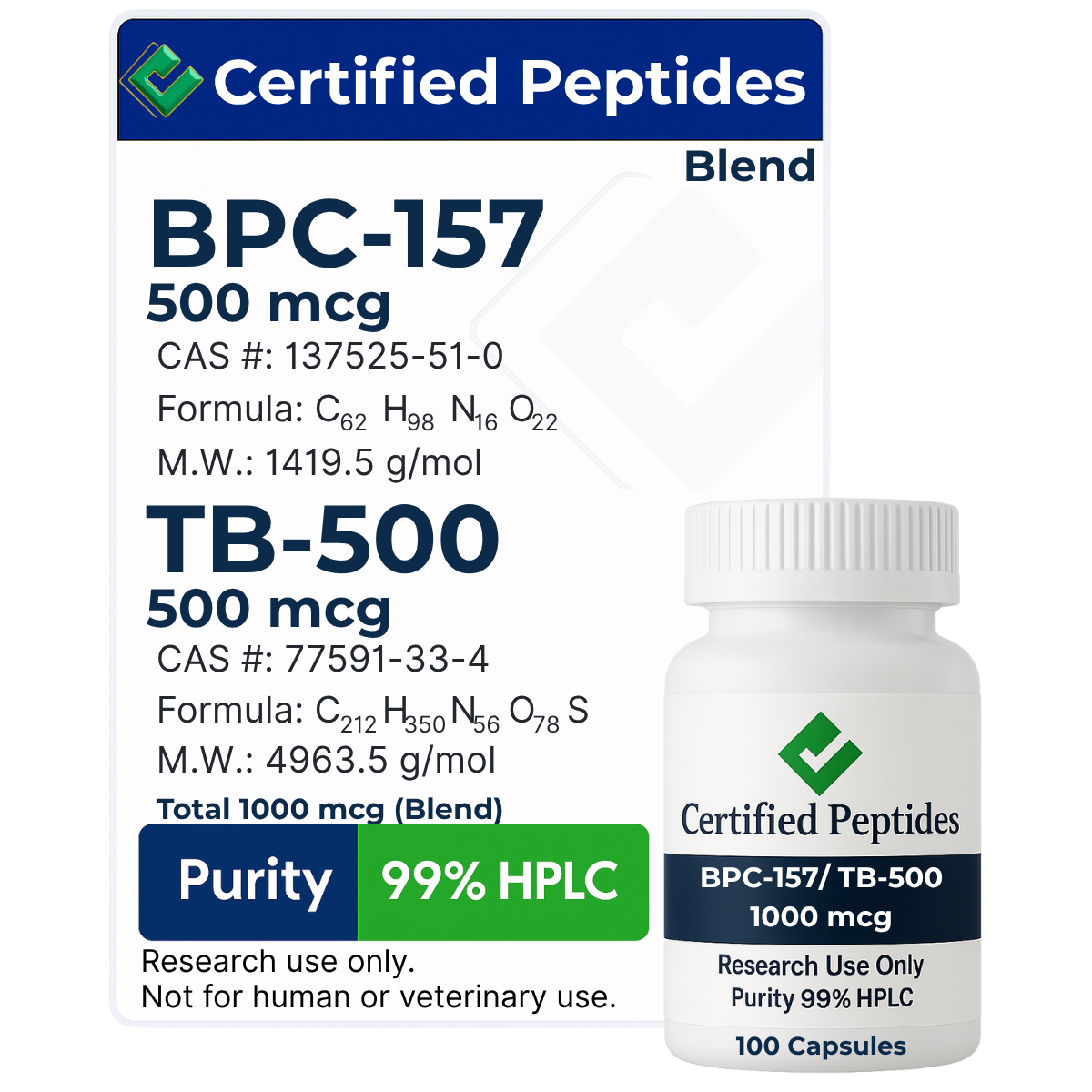
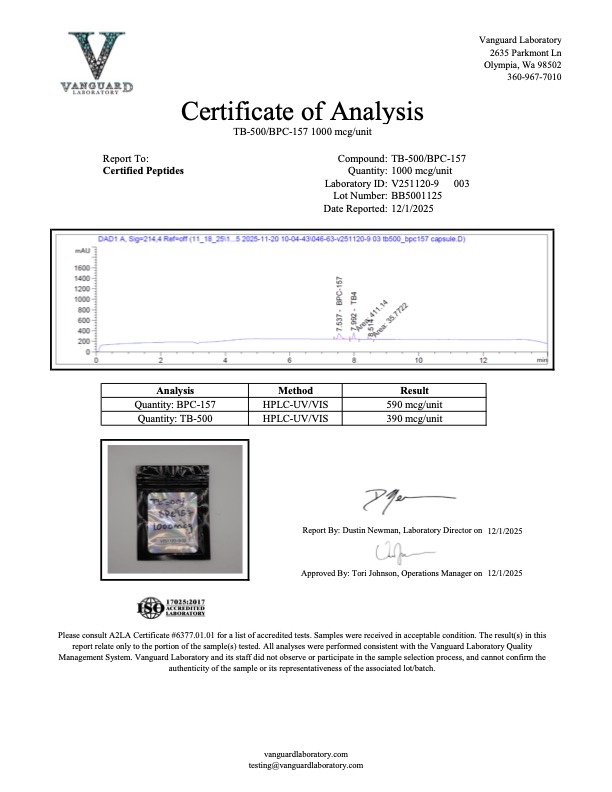
BPC-157/TB-500
BPC-157/TB-500 1000MCG (100 CAPSULES)
77 in stock
The BPC-157 + TB-500 blend combines two research peptides—BPC-157, a gastric-derived pentadecapeptide fragment associated with tissue protection and microvascular stabilization, and TB-500 (Thymosin Beta-4 fragment), a synthetic analog of a naturally occurring actin-binding protein involved in cellular migration and cytoskeletal organization. Together, the blend is frequently evaluated in preclinical models for synergistic effects on tissue repair, angiogenesis, inflammatory modulation, and structural regeneration.
BPC-157 is studied for its influence on angiogenic signaling, nitric-oxide pathways, epithelial integrity, and inflammatory cytokine balance. TB-500, through its relationship to actin-regulating proteins, is investigated for its roles in cell motility, wound remodeling, and support of cytoskeletal dynamics. When paired, the two molecules represent complementary mechanisms—BPC-157 supporting vascular stability and anti-inflammatory pathways, and TB-500 facilitating cellular migration and matrix remodeling.
Research interest in this combination has centered on several domains, including:
- Musculoskeletal and connective-tissue studies, involving models of muscle damage, tendon and ligament injury, and structural repair
- Angiogenesis and microvascular support, particularly where enhanced vascularization may improve tissue recovery
- Cytoskeletal and cellular-migration research, including fibroblast and endothelial cell activity
- Inflammatory modulation, with both peptides noted for potential down-regulation of pro-inflammatory cytokines
- Wound-healing and tissue-regeneration models, examining coordinated effects on repair dynamics, collagen deposition, and extracellular-matrix organization
- Because of their distinct but complementary biochemical profiles, the BPC-157 + TB-500 blend is often studied to evaluate potential additive or synergistic influences on tissue resilience, recovery kinetics, and overall homeostatic repair mechanisms.
The BPC-157 + TB-500 blend combines two research peptides—BPC-157, a gastric-derived pentadecapeptide fragment associated with tissue protection and microvascular stabilization, and TB-500 (Thymosin Beta-4 fragment), a synthetic analog of a naturally occurring actin-binding protein involved in cellular migration and cytoskeletal organization. Together, the blend is frequently evaluated in preclinical models for synergistic effects on tissue repair, angiogenesis, inflammatory modulation, and structural regeneration.
BPC-157 is studied for its influence on angiogenic signaling, nitric-oxide pathways, epithelial integrity, and inflammatory cytokine balance. TB-500, through its relationship to actin-regulating proteins, is investigated for its roles in cell motility, wound remodeling, and support of cytoskeletal dynamics. When paired, the two molecules represent complementary mechanisms—BPC-157 supporting vascular stability and anti-inflammatory pathways, and TB-500 facilitating cellular migration and matrix remodeling.
Research interest in this combination has centered on several domains, including:
- Musculoskeletal and connective-tissue studies, involving models of muscle damage, tendon and ligament injury, and structural repair
- Angiogenesis and microvascular support, particularly where enhanced vascularization may improve tissue recovery
- Cytoskeletal and cellular-migration research, including fibroblast and endothelial cell activity
- Inflammatory modulation, with both peptides noted for potential down-regulation of pro-inflammatory cytokines
- Wound-healing and tissue-regeneration models, examining coordinated effects on repair dynamics, collagen deposition, and extracellular-matrix organization
- Because of their distinct but complementary biochemical profiles, the BPC-157 + TB-500 blend is often studied to evaluate potential additive or synergistic influences on tissue resilience, recovery kinetics, and overall homeostatic repair mechanisms.
Regulatory & Use
For laboratory research only. Not for human or veterinary use.
Related Products
-
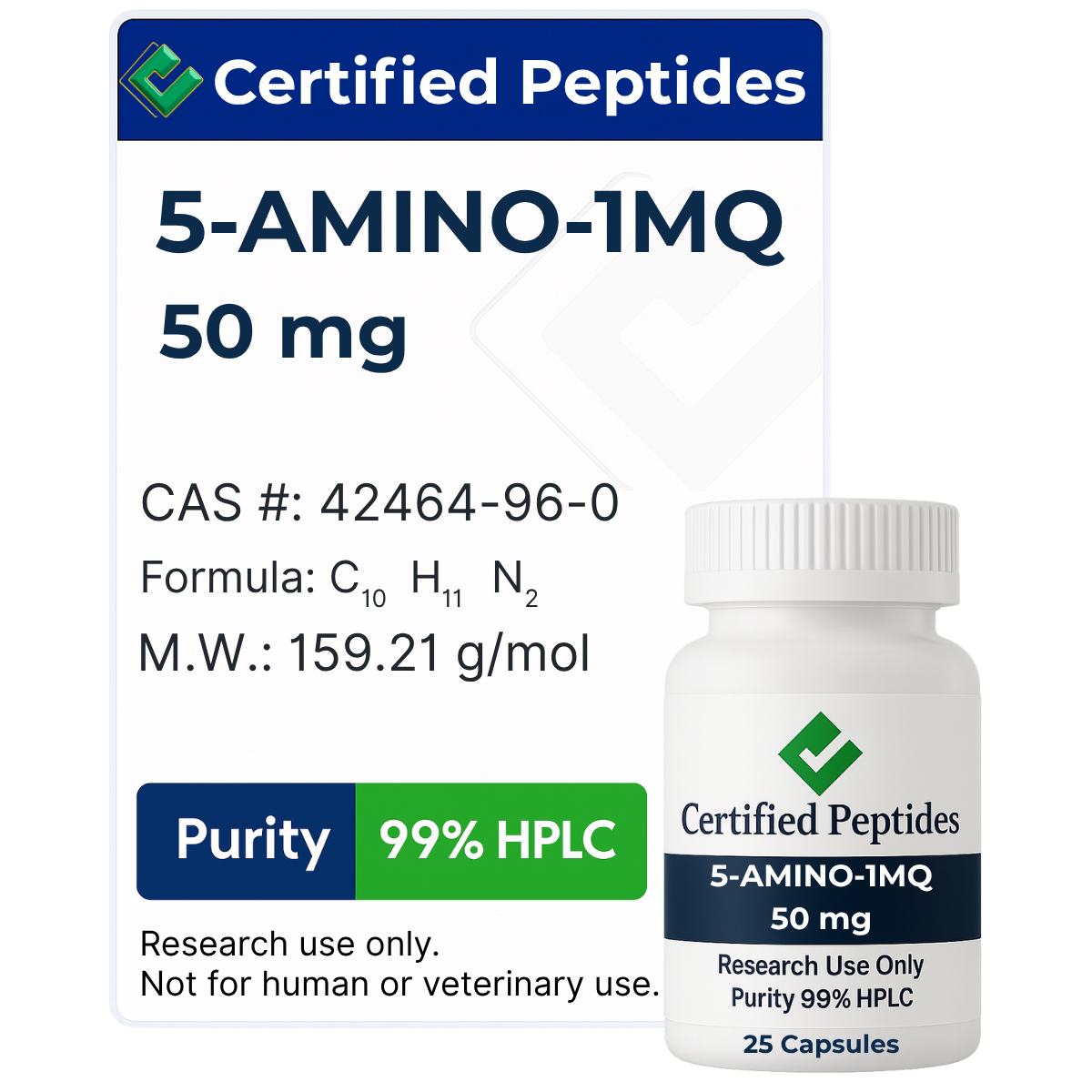
5-AMINO-1MQ 50MG 25 CAPSULES
$166.00 -
BAM-15 50MG 60 Capsules
$320.00 -
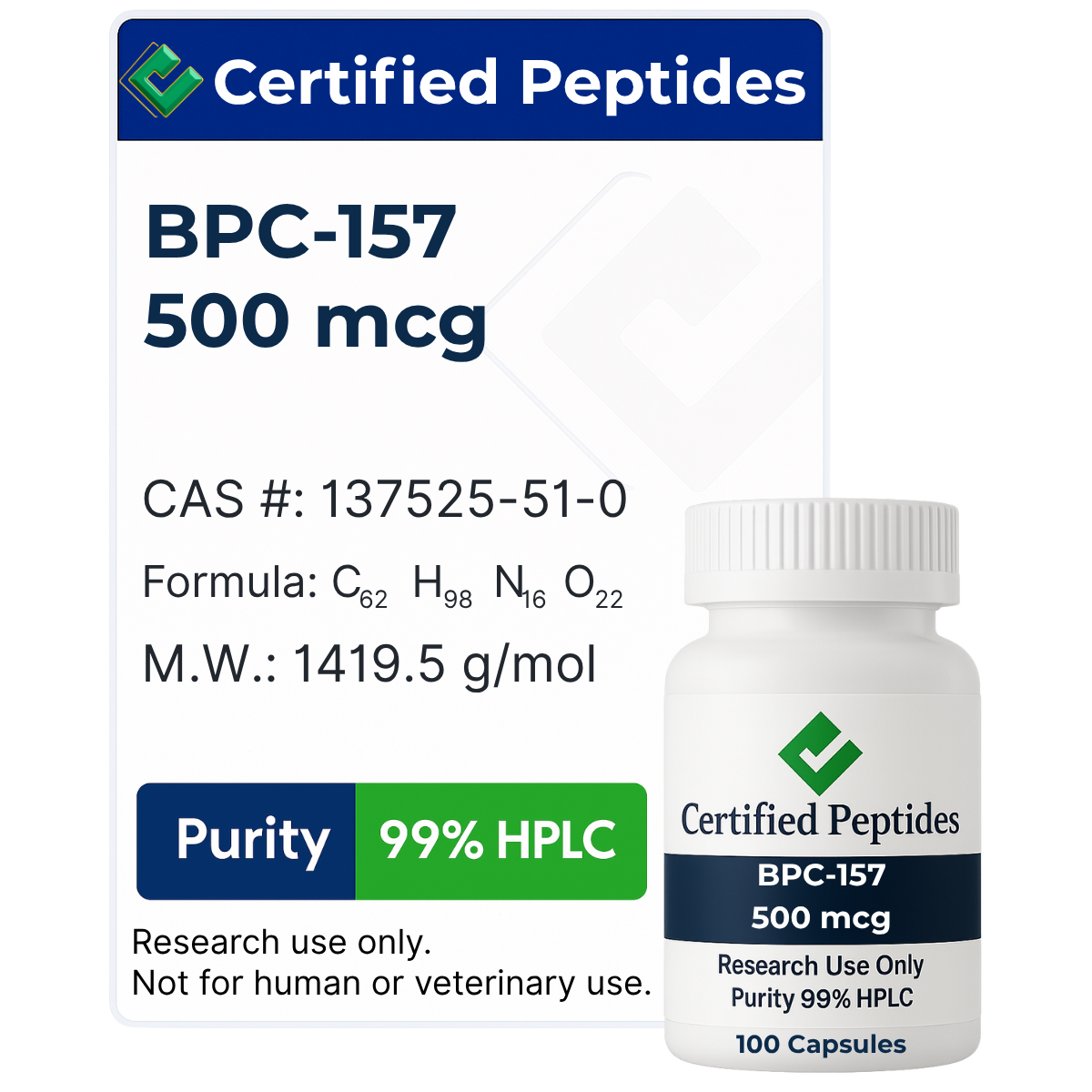
BPC-157 500 mcg
$189.00 -
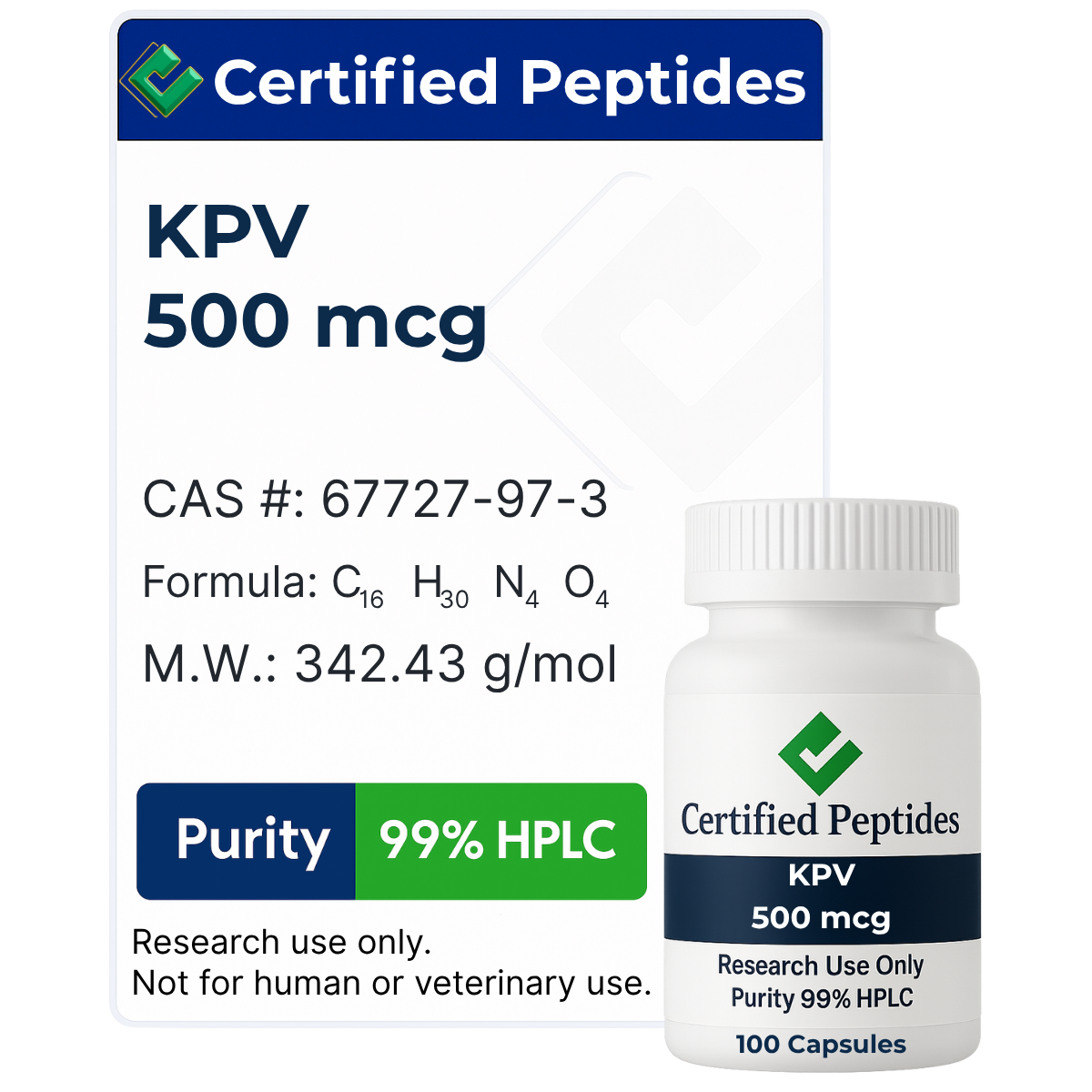
KPV 500 mcg
$210.00 -
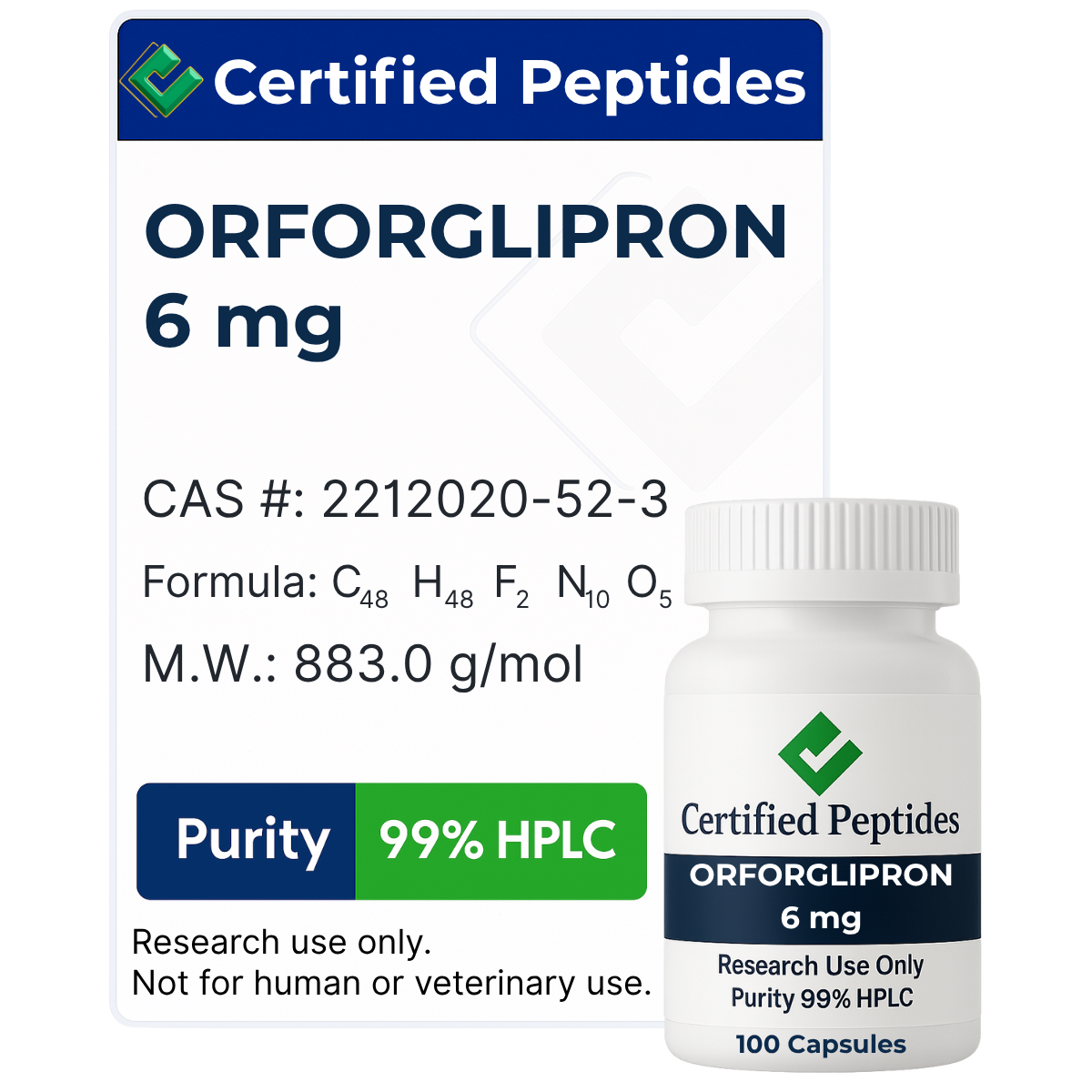
ORFORGLIPRON 6MG 100 CAPSULES
$256.00